
AI & Tools · Sep 7, 2026
Why Your Small Business Website Needs a Conversational AI Assistant in 2026
Old contact forms and static FAQ pages are losing leads. Here is how conversational AI is becoming the new front door for small business websites — and what it takes to implement one that actually works.
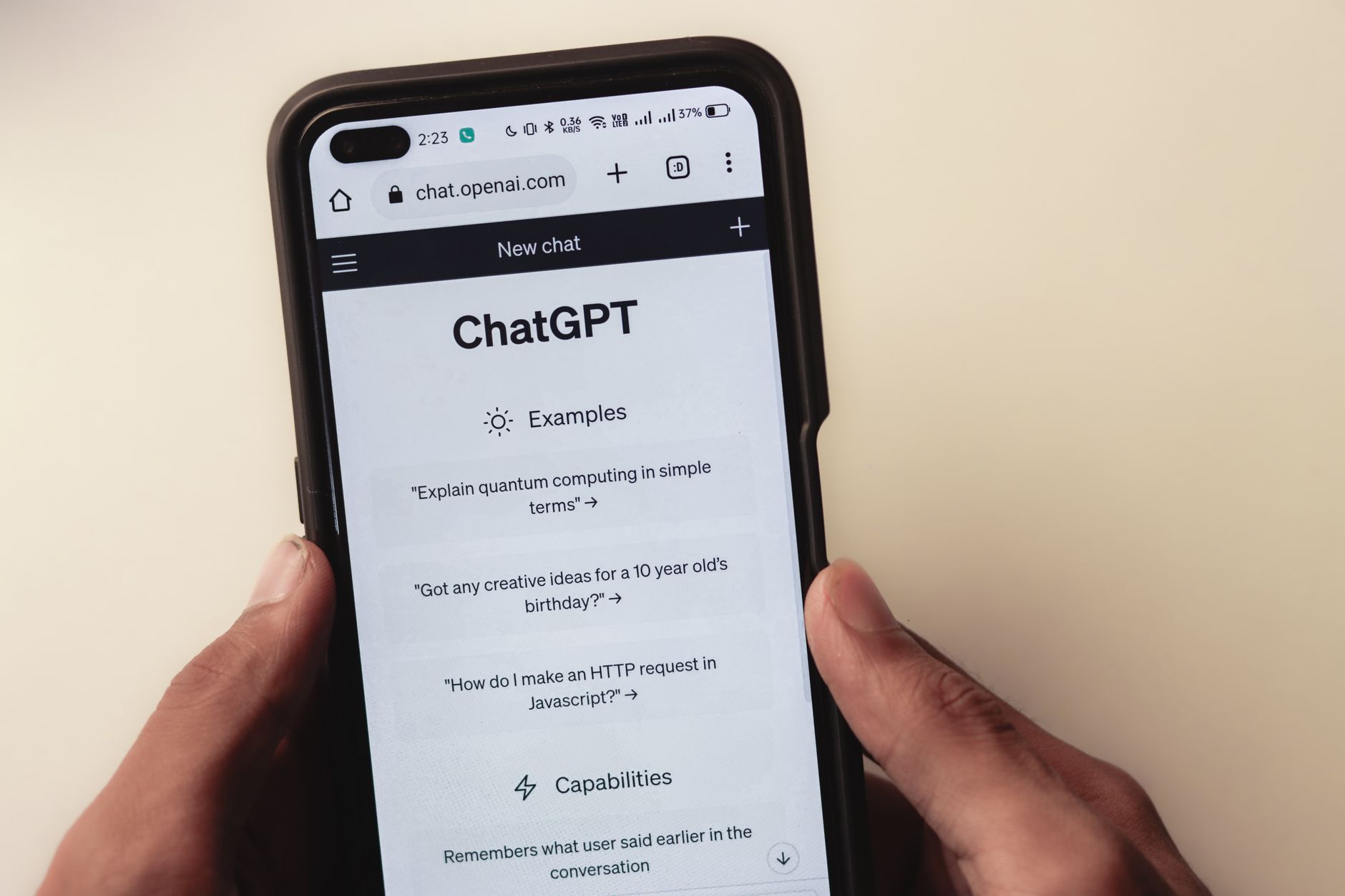
Five years ago, a business website needed a contact form, a phone number, and a prayer. In 2026, visitors expect answers in seconds — not a promise that someone will get back to them within two to three business days. The shift is not subtle. According to industry research, fifty-eight percent of small businesses now use generative AI, more than double the figure from just three years ago. The businesses that move fastest are the ones embedding conversational AI directly into their sites.
The Problem With Traditional Website Engagement
Most small business websites still rely on the same conversion playbook: a hero image, a paragraph about the company, and a form that asks visitors to leave their name, email, and a message. The intent is right, but the execution assumes a level of patience that modern buyers do not have.
Consider the math. A typical contact form converts between two and five percent of visitors. That means for every hundred people who land on your services page, ninety-five to ninety-eight leave without any meaningful interaction. They did not find the answer they needed. They were not ready to commit their email address. They bounced to a competitor whose site answered their question immediately.
The old FAQ page does not solve this either. Static FAQ sections require visitors to scan a list of pre-written questions, hope one matches their intent, and absorb the answer without any ability to follow up. It is a one-way broadcast in a medium that rewards conversation.
What Conversational AI Actually Looks Like on a Website
The new generation of website chat is nothing like the scripted chatbots of 2020. Those tools followed decision trees. Ask about pricing, get a canned response about pricing. Ask about availability, get a link to a calendar. They could not handle nuance, context, or multi-part questions.
Modern conversational AI assistants are powered by large language models that understand your business. They can answer specific product questions, recommend the right service tier based on a visitor's description of their needs, walk someone through the booking process, and hand off to a human when the conversation calls for it.
The key difference is that these assistants are not guessing. They are trained on your actual content, your service offerings, your pricing structure, and your frequently asked questions. A visitor who lands on your site at midnight can get a thoughtful, accurate response about whether your service fits their situation — without waiting for morning.
Why This Matters for Lead Generation
Every unanswered question on your website is a lead that quietly disappears. Research consistently shows that the speed of response is one of the strongest predictors of whether a prospect becomes a customer. When someone submits a form and hears nothing for twenty-four hours, they have already moved on to the next option.
A conversational AI assistant collapses that gap to zero. More importantly, it does something a contact form cannot: it qualifies the lead in real time. By asking the right follow-up questions, the assistant can determine whether a visitor is a good fit before routing them to your sales process. This means your team spends less time chasing unqualified inquiries and more time closing deals that fit.
For service businesses — agencies, consultants, contractors, professional services — this is a significant efficiency gain. Instead of a team member spending fifteen minutes on a discovery call only to learn the prospect's budget is a fraction of your minimum engagement, the assistant handles that screening conversation before a human ever picks up the phone.
Implementation Is Simpler Than You Think
The biggest misconception about AI-powered website features is that they require a large development budget or a dedicated engineering team. In most cases, integration takes days, not months.
The process starts with your existing content. Your service pages, blog posts, FAQ answers, and pricing information become the knowledge base that the assistant draws from. A well-configured assistant does not hallucinate or make up answers — it responds only from the material you have approved, and it can be set to escalate to a human when a question falls outside its scope.
For WordPress sites, there are plugins that connect your content to an AI assistant with minimal configuration. For custom-built sites, the integration typically involves adding a chat widget and connecting it to an API endpoint that handles the conversation. Either way, the technical barrier is low enough that most small businesses can have a functioning AI assistant live within a week.
The Competitive Window Is Closing
Adoption is accelerating. Cloud-based AI website tools now hold over eighty percent of the market, and that share is growing. The businesses that add conversational AI today differentiate themselves from competitors still relying on static content and contact forms. In six months, it will be an expected feature rather than a differentiator.
The businesses seeing the best results share a few things in common. They trained their assistants on accurate, current information rather than generic responses. They set clear escalation rules so complex conversations move to a human without friction. And they reviewed conversation logs regularly to identify gaps in their content and improve the assistant's responses over time.
Where to Start
If your website still routes every visitor to a contact form, the first step is straightforward. Audit the questions your team answers most often on sales calls. Those are the conversations your AI assistant should handle first. Build out responses for your top ten most common inquiries, connect them to a chat interface, and test the experience yourself before turning it loose on visitors.
The goal is not to replace your team. It is to make sure every visitor who arrives on your site — regardless of the hour — gets a useful response and a clear path forward. That is what a modern website does, and it is what your customers now expect.
Need help with a website or automation project? Talk with Gone Fishing Labs.