
Web Design · Sep 5, 2026
Web Design Trends 2026: What Small Businesses Actually Need
The web design trends that matter in 2026 are performance, accessibility, and mobile-first architecture. Learn which trends actually drive results for small businesses.
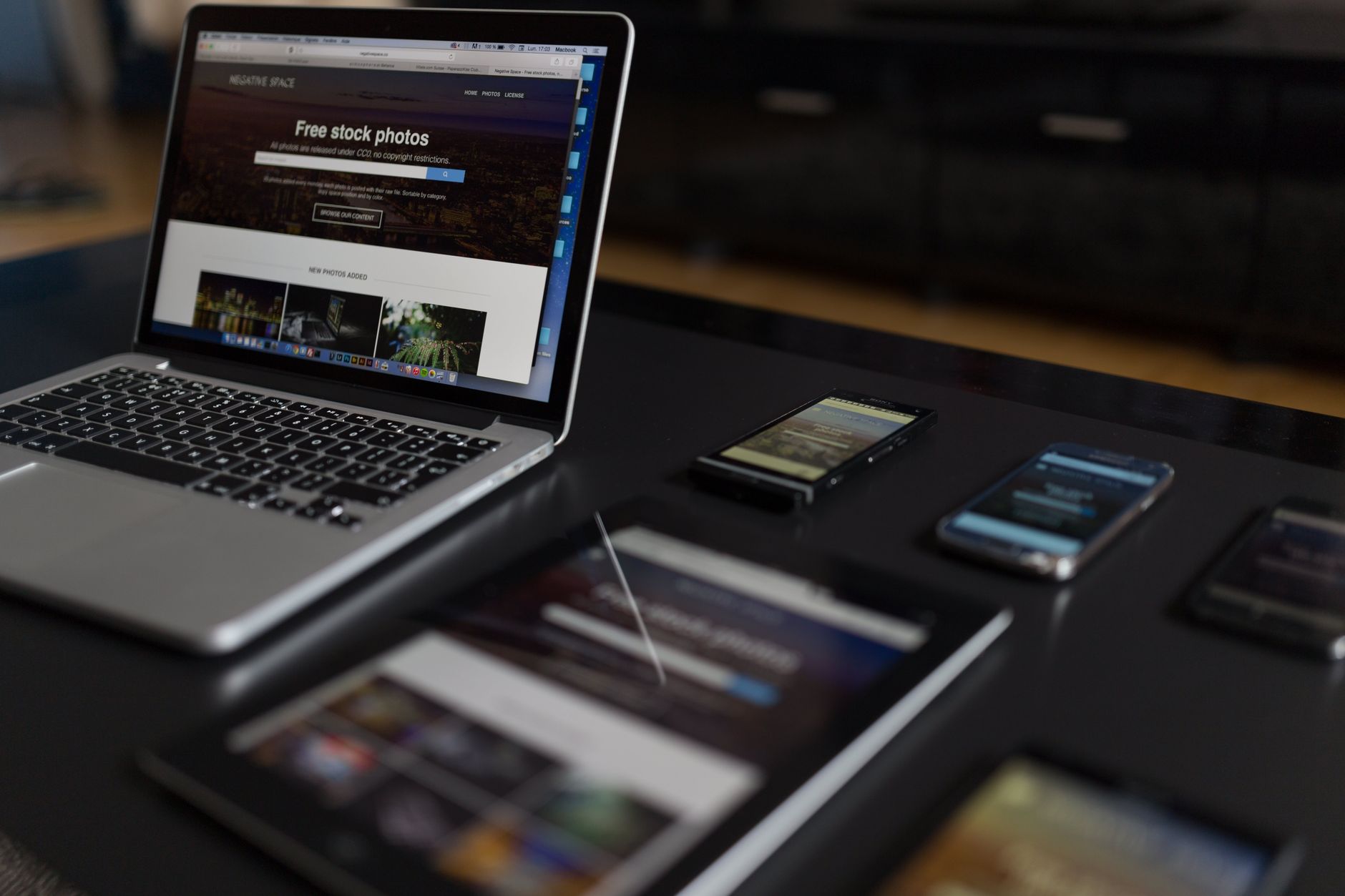
Web design trends come and go, but only a few actually matter for small businesses. In 2026, the noise around glassmorphism, 3D elements, and retro typography continues to dominate design portfolios. Yet most of these aesthetic fads do little to generate leads, improve search rankings, or increase revenue.
The trends that move the needle are the ones backed by data and focused on performance, accessibility, and conversion architecture. If you own a small business website, these are the areas where your investment will pay off.
Performance-First Design Is Non-Negotiable
Speed is the foundation of everything else. According to recent statistics, 53% of mobile users abandon a site that takes more than three seconds to load. Every visual trend, animation, or third-party script either supports fast loading or undermines it.
Google's Core Web Vitals — Largest Contentful Paint (LCP), Interaction to Next Paint (INP), and Cumulative Layout Shift (CLS) — directly influence search rankings. Sites that pass all three thresholds rank higher and convert better. In 2026, the standard is sub-two-second load times.
To achieve this, focus on serving next-gen image formats like WebP or AVIF, implementing lazy loading for offscreen content, inlining critical CSS, and minimizing JavaScript. Regularly audit third-party scripts and remove anything you are not actively using.
AI Is Changing Web Design — But Not Replacing It
The AI-powered website builder market is projected to reach $3.24 billion in 2026. Over 73% of small businesses report using or planning to use AI for website design and content creation. However, adoption does not mean replacement.
AI tools excel at generating basic websites quickly, but they struggle with strategic decisions like information architecture, conversion paths, and technical SEO. The most valuable AI application for small business websites in 2026 is personalization — adjusting content, product recommendations, and calls-to-action based on visitor behavior.
Service businesses can show returning visitors a booking page instead of a generic homepage. E-commerce sites can surface products related to browsing history rather than generic bestsellers. This level of adaptability drives engagement and conversions.
Accessibility Is Now a Legal Requirement
Web accessibility has shifted from a nice-to-have to a legal and business requirement. The European Accessibility Act took effect in June 2025, requiring digital products and services to meet accessibility standards across the EU. In the US, ADA-based web accessibility lawsuits have increased every year since 2018.
Beyond compliance, accessible design is simply better design. Sites that meet WCAG 2.2 standards have clearer navigation, better form usability, stronger color contrast, and more descriptive content — all of which improve conversion rates for every visitor.
Start with keyboard navigation, proper color contrast ratios, descriptive alt text for images, visible form labels, and semantic HTML. These fundamentals benefit all users, not just those with disabilities.
Mobile-First Is the Architecture, Not Just the Layout
Mobile-optimized sites see up to 40% higher conversion rates, and mobile users are 67% more likely to purchase from a mobile-friendly site. Despite these numbers, many sites are still built desktop-first and then squeezed down for phones.
Mobile-first is an architectural decision that affects content hierarchy, navigation patterns, image loading strategy, and JavaScript execution. Focus on touch-first interaction with minimum tap targets of 48x48px, lead with the most important information, and use conditional loading to enhance desktop features only when the viewport supports them.
For service businesses, making phone numbers and addresses clickable on mobile is the single highest-impact mobile optimization. An alarming number of sites still display phone numbers as plain text.
Dark Mode and Strategic Micro-Interactions
Dark mode is no longer a novelty — it's an expectation. Operating systems, browsers, and apps have made it a default-available option, and users expect websites to respect their preference. Implementing dark mode reduces eye strain, saves battery on OLED screens, and forces better contrast ratios.
Micro-interactions have also matured from flashy scroll-jacking animations to subtle, functional motion that guides users through tasks. Form progress indicators, add-to-cart confirmations, hover state previews, and validation feedback all improve usability when done right.
The critical constraint is performance. CSS transitions and transforms are GPU-accelerated, but JavaScript-driven animations that trigger layout reflows will tank your Interaction to Next Paint score. If an animation does not serve a functional purpose, cut it.
Prioritize What Matters
With limited budget and time, small businesses cannot chase every trend. Start with performance optimization and mobile-first architecture — these deliver the most measurable ROI. Layer in accessibility next, as it's increasingly a legal requirement and the UX improvements benefit every visitor.
Only after these foundations are solid should you invest in AI personalization, dark mode, or decorative micro-interactions. The trends worth chasing are the ones that show up in your analytics as lower bounce rates, higher time on site, and more conversions.
A website that looks modern but loads slowly will lose to a clean, fast site every time — in Google rankings, in conversion rates, and in revenue. Focus on the fundamentals, and your website will work harder for your business.
Need help with a website or automation project? Talk with Gone Fishing Labs.