
Automation · Aug 27, 2026
From AI Copilots to Agents: Automating Small Business Work in 2026
The biggest shift in small business technology this year is not a newer chatbot. It is the move from AI assistants that help with one task at a time to AI agents that run real, repeatable workflows from start to finish. Here is what that means for a small business owner in practical terms - and how to adopt it without the hype.
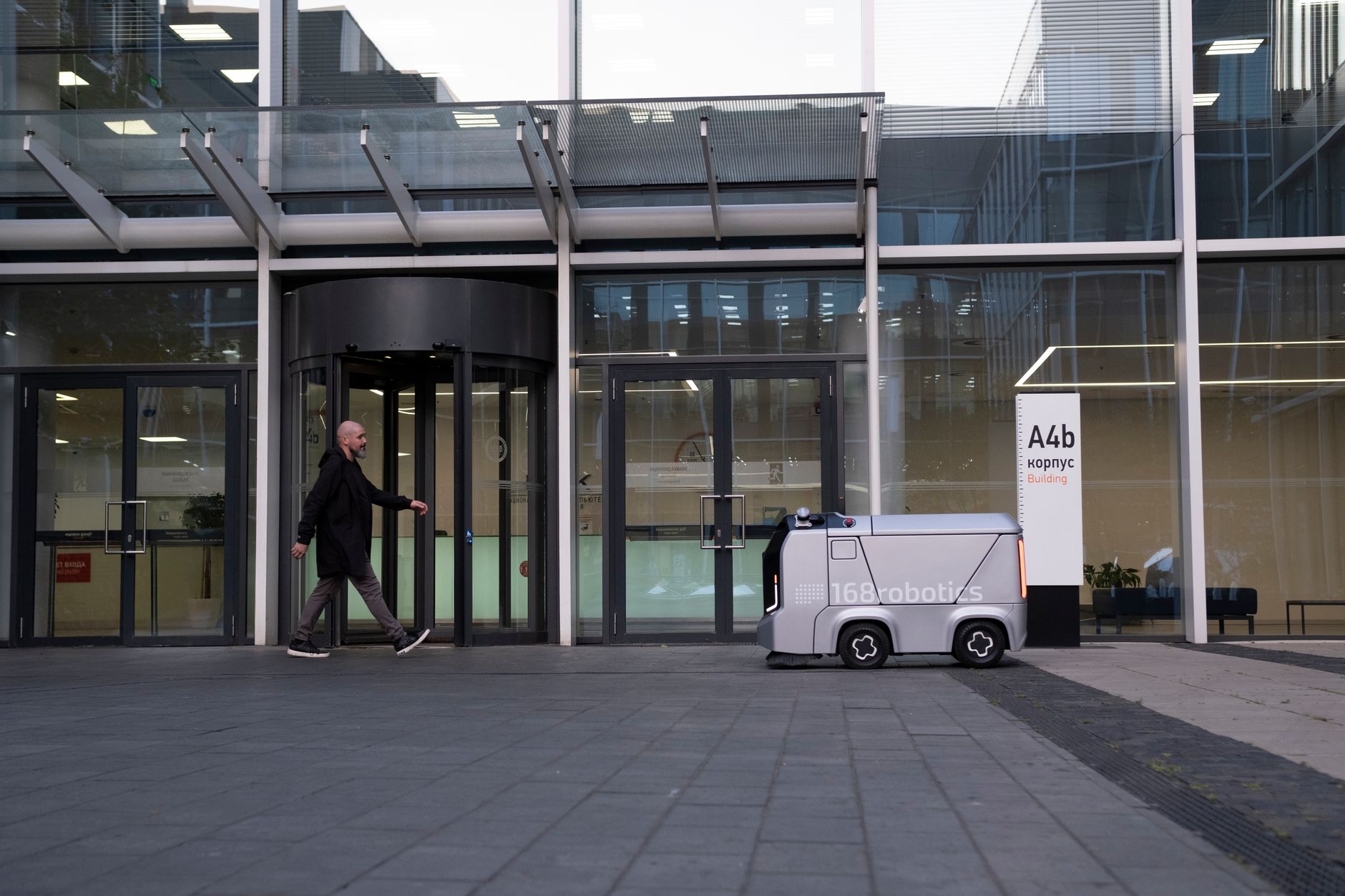
The conversation about artificial intelligence for small business has changed. For the past two years, most owners used AI the way they used a calculator: pull it up, ask for a draft of an email, and copy the result. That is a copilot. It helps with a single task, but someone still has to start it, watch it, and carry the work to the next step. In 2026, the tools getting the most serious attention work differently. They are agents - systems that can take a defined goal and carry a multi-step workflow to completion with limited supervision.
For a business owner, this is not a subtle difference. It is the difference between a tool that saves twenty minutes on one email and a system that quietly handles a recurring process every day. The second one is where the real time and money come back. To decide whether agents belong in your operation, it helps to separate the idea from the noise and focus on the workflows that genuinely repeat.
Where the shift is actually happening
Industry analysis has moved quickly from experimenting with AI assistants to building systems that own full workflows under human oversight. Deloitte's 2026 research describes a market shifting away from layering AI on top of broken processes and toward rebuilding work around focused, measurable outcomes. The implication is direct: the companies that win are not the ones with the most tools. They are the ones that design a clear workflow and then let software execute large parts of it while people handle judgment, exceptions, and approvals.
For small businesses, this does not require an enterprise budget. The strongest early wins come from narrow, operational, and measurable processes. The winning pattern in 2026 is integration, not experimentation. Owners are investing where they can prove a return inside thirty to ninety days, and they are cutting spend on novelty that has no clear effect on the business.
What an agent actually does for a small business
Consider the typical lead management problem. A prospect fills out a form on your website at eight in the evening. Historically, someone checks it the next morning. That added hours - sometimes a full day - to your response time, and in many trades that delay costs the job.
An agent can change that. It can receive the form, look up the lead in your CRM, draft a tailored reply using your tone and pricing, send it, and log the follow-up task. If the prospect responds, the agent routes the conversation to the right person and notifies them. The owner does not disappear from the process. They review the important decisions and stay visible where judgment matters. What disappears is the repetitive, predictable work that used to consume the middle of the day.
The same pattern applies to invoicing, appointment scheduling, invoice reminders, report generation, and document processing. In each case the rule is the same: a process that repeats often, follows a predictable path, and consumes time more than judgment is a strong candidate for an agent.
Why most early attempts fail
The most common mistake is choosing a tool before defining the problem. An owner hears about the latest agent platform, signs up, and then looks for a use case. That order is usually backwards. The reliable sequence is to map the human workflow first, document the steps, identify the data involved, and only then select software that fits.
The second mistake is automating a process that is already broken. If a workflow is unclear, full of exceptions, and spread across disconnected systems, adding an agent usually makes the mess faster rather than better. The tool does not fix a messy process; it executes one. Fix the process first, then automate it.
A practical starting point
Pick one process. Not three. Choose the single task that costs the most hours each week and has a clear success metric - something like faster first response, fewer overdue invoices, or fewer manual data-entry errors. Map it end to end, define what success looks like, and build the automation around that defined path.
Keep a human in the loop on the decisions that matter, and make sure the owner or a trusted team member reviews exceptions. The goal is not to remove people from the business. It is to remove the repetitive work that keeps people from the work that actually grows the business.
This is where many owners get stuck on their own, which is exactly the kind of work we do every day at Gone Fishing Labs. We help business owners design websites, AI workflows, and automations that handle the repetitive work cleanly - so the humans can do the parts that require judgment. If you are tired of wrestling with disconnected tools and spreadsheets, we can look at your actual processes, identify the one automation that will free up the most time this quarter, and build it in a way that is measurable and maintainable.
The technology has matured faster than most practical businesses expected. The opportunity in 2026 is not to buy more AI. It is to apply a small amount of it to the one workflow that matters most, prove the result, and then expand.
Need help with a website or automation project? Talk with Gone Fishing Labs.