
Web Design · Sep 10, 2026
AI Website Builders in 2026: What Small Businesses Actually Need to Know
AI website builders have matured fast in 2026. Here is what small business owners should weigh before choosing between speed, control, and long-term value.
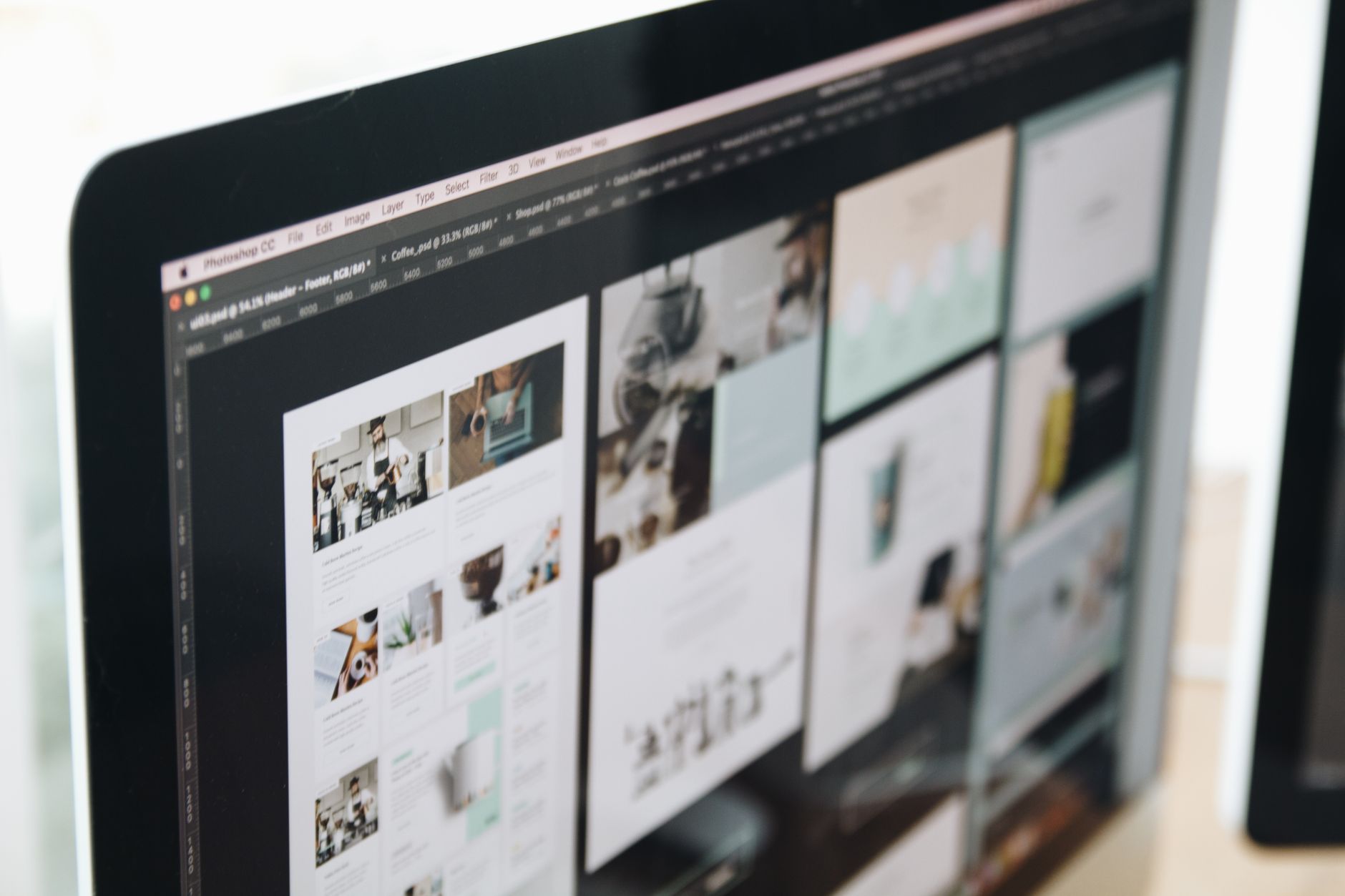
If you run a small business and have been putting off building or refreshing your website, 2026 looks different than even a year ago. AI website builders have moved past the novelty stage. Several platforms can now generate a complete, publishable site from a short description in minutes. That speed is real, but it is not the whole story.
The real question is not whether AI can build a website. It can. The question is whether the site it builds will actually work for your business once the initial excitement wears off.
What Has Changed in 2026
Most AI website builders now use natural language processing to turn plain-English descriptions into multi-page sites with layouts, images, copy, and contact forms. Platforms like Durable claim sub-thirty-second generation times. Wix AI has evolved its original Artificial Design Intelligence into a conversational builder that sits at the center of its platform. GoDaddy Airo, Framer AI, and several newer entrants all follow a similar pattern: describe your business, answer a few questions, and get a working site.
The output quality has improved noticeably. Early AI builders produced generic templates with placeholder text that still needed heavy editing. In 2026, the better tools generate contextually relevant copy, pull in real business details, and produce designs that look finished enough to publish on the same day.
Speed Is a Feature, Not a Strategy
Getting a site live in thirty seconds or thirty minutes is impressive. For a solo consultant who needs a basic web presence to look legitimate, it solves a real problem. But most small businesses need more than a single landing page with a contact form.
You need pages that load fast on mobile. You need local SEO setup so customers can find you in search. You need the ability to add service pages, blog posts, booking systems, or e-commerce without rebuilding from scratch. And you need to own what you build, including the code and the domain, so you are never locked into a platform that changes its pricing or shuts down a feature you depend on.
This is where the AI website builder market splits. Some tools optimize purely for speed and simplicity. Others use AI to generate a strong first draft, then hand off to either a visual editor or a human designer for refinement. The difference matters more than most business owners expect.
The Tradeoff Nobody Talks About
When an AI builder generates your entire site, the code underneath is often proprietary. You cannot export it. If you outgrow the platform or want to move to a different host, you start over. For a business that expects to evolve its online presence over the next three to five years, that is a meaningful cost hidden behind a free or low-cost entry price.
Platforms that generate real, exportable code, or that integrate with standard content management systems like WordPress, give you a different kind of value. You keep control. You can hire a developer later to extend what the AI started. You are not starting from zero every time you want to change something the AI did not anticipate.
This is one of the reasons agencies and consultants who specialize in small business web presence still matter. AI handles the heavy lifting of the first draft, but a human who understands your market, your customers, and the long-term path of your business can make decisions that no builder has context for yet.
What to Look For
If you are evaluating tools right now, here are the criteria that actually affect your outcomes:
Exportability. Can you take the code and leave if you need to? If not, you are renting, not building.
SEO controls. Does the builder let you set meta titles, descriptions, alt text, and URL structure, or does it handle everything automatically with no override?
Content flexibility. Can you add new pages, blog posts, and custom sections without hitting a ceiling?
Mobile performance. AI-generated sites look good in the editor, but do they score well on real mobile devices with slow connections?
Integration with your stack. Does the site connect to your CRM, email platform, booking system, or payment processor without custom development?
These are not features that marketing pages emphasize. They show up after you have committed and need to grow.
A Practical Approach for 2026
The smartest small business owners are not choosing between AI and human-led web design. They are combining both. Use AI to generate a strong starting point in hours instead of weeks. Then work with someone who understands your business to refine the copy, tighten the conversion paths, set up proper SEO, and make sure the site actually supports how you sell.
That combination, AI speed plus human judgment, is where the real value lives. The tools have matured. The question is whether you use them as a shortcut to a mediocre site, or as a head start on one that genuinely works.
At Gone Fishing Labs, we help small businesses navigate exactly this decision. Whether you need a site built from scratch, an existing one cleaned up, or an AI-generated draft turned into something that converts, we start with what your business actually needs and build from there.
Need help with a website or automation project? Talk with Gone Fishing Labs.